Best gardeners near New Eltham station for small front gardens
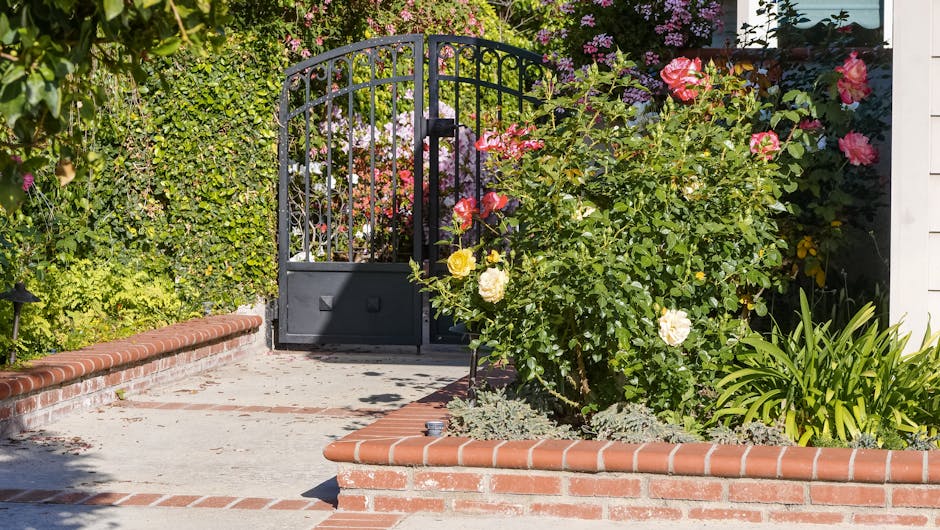
If you are searching for the best gardeners near New Eltham station for small front gardens, you probably want something quite specific: tidy, low-fuss, good-looking work that makes a compact frontage feel brighter, neater, and easier to live with. Not a giant redesign. Not a week of disruption. Just a smart, well-finished garden that suits a front step, a narrow path, and the realities of London weather.
Small front gardens can be surprisingly demanding. They are the bit of your home people see first, yet they also have to cope with bins, foot traffic, shade, wind, parked cars, and the occasional bit of everyday neglect. The right gardener knows how to turn that into an advantage. In this guide, you will find what to look for, how the work is usually approached, what really matters in a small space, and how to avoid the common mistakes that make front gardens look cramped rather than calm.
- Why small front gardens near New Eltham station need specialist care
- How local gardening support usually works
- Key benefits and practical advantages
- Who this is for and when it makes sense
- Step-by-step guidance
- Expert tips for better results
- Common mistakes to avoid
- Tools, resources and recommendations
- Law, compliance and best practice
- Options and comparison table
- Case study or real-world example
- Practical checklist
- Conclusion
- Frequently asked questions
Why small front gardens near New Eltham station need specialist care
A small front garden is not just a smaller version of a big one. It behaves differently. One overgrown shrub can block the whole view. A patch of tired lawn can make the entrance look neglected. A badly placed pot can narrow the walkway so much that the whole space feels awkward. To be fair, this is why general gardening advice often falls short.
Near New Eltham station, a front garden also has to cope with a local mix of shade, passing traffic, rail-side dust, occasional wind, and the usual London rhythm of stop-start maintenance. That means the best gardeners for this kind of job are not simply the ones who mow lawns quickly. They are the ones who understand proportion, drainage, planting structure, and the little finishing details that make a tiny frontage look deliberate rather than crowded.
If your front garden is small, every choice has a visible effect. Ground cover, edging, hedge height, pot size, and even the width of a path all matter. A sensible gardener will look at sightlines from the pavement, how rain runs off the front boundary, and how much light the space gets through the day. In early morning light, a tidy front border can look quietly excellent. In winter, the same area can look bare and messy if it has been handled without planning.
That is why local knowledge matters. A gardener who works regularly in and around New Eltham is likely to recognise the kinds of plants and finishes that hold up well in modest front plots. They will also know when a simple refresh is better than a full overhaul. Sometimes less really is more. Sometimes the best decision is to remove one problem feature and let the rest breathe.
How local gardening support usually works
For small front gardens, the process is usually straightforward, but the quality depends on how carefully the job is shaped at the start. A good gardener will begin with a quick assessment of the layout, the condition of the soil, the amount of light, and how much ongoing upkeep you want. That first conversation is more important than many people think. If you skip it, you can end up paying for a design that looks lovely for two weeks and then becomes a chore.
In practical terms, the work often falls into a few stages:
- Assessment - checking what is there now, what is failing, and what should stay.
- Clearance - removing weeds, dead growth, and clutter that steals visual space.
- Structure - trimming, edging, reshaping, or improving the garden's bones.
- Planting or replacement - choosing compact, resilient plants that suit the frontage.
- Finishing touches - mulch, gravel, pots, clean lines, and tidy boundaries.
That last stage is where small gardens often transform. You do not need a huge planting scheme; you need clean geometry and a few thoughtful focal points. A single well-placed evergreen, a narrow bed of ground cover, or a trimmed hedge can do more than ten random purchases from a garden centre. Small space. Big difference.
If you are also thinking about regular upkeep after the initial tidy-up, it helps to look at broader garden maintenance support so the front garden does not slide back after one good month. And if your frontage needs a more complete tidy, a seasonal spruce-up often pairs well with lawn care or light lawn mowing where turf is part of the design.
Key benefits and practical advantages
The obvious benefit is visual. A small front garden that is trimmed, balanced, and planted well makes the whole property feel cared for. But there are also less obvious advantages. A compact front space is easier to maintain when it has the right structure, which means less weekly struggle and fewer expensive fixes later on.
- Better kerb appeal - a neat entrance improves the first impression instantly.
- Less maintenance stress - smart planting reduces the time spent battling weeds and dead patches.
- Safer access - clear paths and sensible edges help avoid trips and awkward squeezing.
- More usable space - even a tiny front garden can feel larger with good layout decisions.
- Improved resilience - the right plants and materials stand up better to wind, shade, and winter wet.
One benefit people often underestimate is confidence. When the front of your home looks sorted, the whole place feels calmer. That sounds a bit obvious, but it is true. You open the door, see a clean path, a shaped hedge, maybe a little texture from ground cover, and you think: right, that is better.
For many homes, a few focused services can make a big difference. A gardener experienced in hedge trimming in New Eltham can keep boundaries tight without overcutting. If the front garden contains awkward hard surfaces, a professional patio cleaning service can lift the whole look with less effort than people expect. Little things, but they add up fast.
Who this is for and when it makes sense
This kind of service makes sense for a lot of people, not just homeowners who love gardening. In fact, small front gardens are often the ones that benefit most, because they are easiest to improve quickly and easiest to neglect by accident.
You may want a local gardener near New Eltham station if:
- your front garden feels too busy, too bare, or just oddly proportioned;
- the space is shaded and plants keep struggling;
- weeds keep returning at the edges or between paving;
- hedges or shrubs are hiding the entrance;
- you want a cleaner look before selling or letting the property;
- you need a low-maintenance design rather than a high-effort display;
- your current layout is making the entrance feel narrower than it is.
It also makes sense if you are simply tired of fighting the same problems every month. Some front gardens develop a kind of stubborn personality, don't they? Ivy where you don't want it, a hedge that grows sideways, one patch of soil that never quite recovers. A good gardener does not panic at that. They work with the space, not against it.
If your front garden is part of a wider redesign, it may be worth exploring broader gardening services or even modest landscaping ideas where the entrance, boundary, and planting scheme all need to work together.
Step-by-step guidance
Here is the practical way to approach a small front garden without overcomplicating it. This is the bit that saves money, time, and a fair amount of frustration later.
- Stand at the pavement and look in. Notice what your eye lands on first. Is it the front door, a hedge, a messy bed, or a bare patch of gravel? That tells you where the visual problem starts.
- Measure the usable area. Even rough measurements help. Small gardens reward accuracy because every centimetre counts.
- Decide the purpose. Do you want low maintenance, a smarter entrance, more privacy, or better planting? Pick the main job first.
- Remove the clutter. Old pots, dead stems, broken edging, and stray weeds can make the garden feel half its size.
- Set the structure. Trim hedges, define the path, and shape the main bed lines before thinking about decorative details.
- Choose compact planting. Ground cover, dwarf shrubs, upright evergreens, and container planting tend to work better than bulky mixed borders.
- Add one focal point. A single feature, such as a statement pot or a clipped shrub, is usually enough in a small space.
- Finish with a maintenance plan. Ask what the garden will need every month, not just on day one.
One useful rule: if a design idea requires constant correction in the first season, it is probably too ambitious for a small front garden. Simpler can be smarter. Much smarter.
If weeds are a big issue, it is worth combining the work with some practical weed control guidance. If the garden sits in a shaded pocket, a little inspiration from evergreen climber ideas for shadowed spaces can help you use vertical space without cluttering the ground.
Expert tips for better results
Small front gardens reward restraint. That is the big secret. You do not need lots of plants; you need the right ones in the right places. And ideally, you want them to behave themselves, which is always a bonus.
Here are a few expert-level habits that consistently improve results:
- Use repetition. Repeating one or two plant types makes a small frontage look calmer and more deliberate.
- Keep height under control. Tall planting can create privacy, but too much of it can swallow the entrance.
- Work with light, not against it. In shade, choose plants and finishes that stay attractive without needing full sun.
- Prefer clean edges. A crisp border line does more for a small garden than many people realise.
- Choose seasonal resilience. Winter structure matters in front gardens because they are seen every day, not just in June.
Another good habit is to think about how the garden looks from two viewpoints: arriving home and leaving home. Oddly enough, people often design only for the first glance. But the way the space feels when you come out on a cold morning matters too. That small emotional effect is part of the job.
For inspiration on materials and design patterns that hold up well in tight spaces, you may find budget-friendly, easy-care garden ideas useful. If you want a more peaceful, minimal feel, a serene zen-style garden approach can work surprisingly well for compact entrances.
Common mistakes to avoid
Most disappointing front gardens fail for the same handful of reasons. The good news is that they are all fixable.
- Overplanting. Small gardens get crowded quickly. A lovely plant in the wrong spot is still in the wrong spot.
- Ignoring maintenance. A design that looks good only when newly planted is not really a plan.
- Choosing the wrong scale. Oversized pots, heavy ornaments, or huge shrubs can dwarf the whole frontage.
- Leaving ivy or climbers unchecked. These can take over brickwork and railings very fast if left alone.
- Neglecting the path. If people have to sidestep to pass, the garden no longer feels welcoming.
- Forgetting drainage. Small front gardens can become muddy or waterlogged in awkward spots.
Ivy deserves a special mention because it can be sneaky. One season it looks manageable, and the next it is trying to claim the fence, the wall, and a bit of the roofline for itself. If that sounds familiar, a specialist guide on how to remove ivy properly is worth a look.
And if your front boundary is part of the problem, not the planting, then a focused hedge sculpting approach can restore shape without stripping the garden bare. The temptation is always to cut harder than you need to. Usually a softer hand works better.
Tools, resources and recommendations
A good gardener uses the right tools, but for a small front garden the important thing is not the size of the kit. It is precision. Clean cuts, tidy edges, careful lifting, and a sensible eye for spacing matter more than fancy gear.
Useful tools and practical items often include:
- hand shears for detail work;
- lightweight hedge trimmers for shaping where appropriate;
- spades and border forks for reworking compact beds;
- weeding tools for tight corners and path joints;
- quality compost or soil improver where planting needs a refresh;
- simple edging tools to sharpen the finish;
- containers or planters for places where ground planting is limited.
If you like to understand the practical side of the work before booking anyone in, it helps to read about the tools that improve garden work and the basics of container gardening. Both are especially useful in smaller front spaces where flexibility matters.
For plant choice, front gardens often do well with low, sturdy options that do not need constant fuss. Ground cover can be particularly helpful because it reduces bare soil and helps keep the space visually linked together. A useful overview is the guide on ideal UK ground cover plants. If you are thinking about lower-input greenery, that article is a sensible starting point.
And if your frontage gets battered by weather, do not ignore that part of the job. A little planning around wind and seasonal exposure saves a lot of disappointment later. The same goes for winter prep, especially in exposed London corners where frost and damp can be a nuisance.
Need a more liveable feel overall? Gardeners often improve small fronts by pairing planting with tidy surfaces and clean movement routes. A bit of outdoor seating area thinking can help even if all you want is a small perch by the door rather than a full sitting space.
Law, compliance and best practice
For most front garden work, the main concern is not legal complexity, but sensible care. Still, good practice matters. A reputable gardener should work safely, respect access routes, avoid damaging shared boundaries, and dispose of waste responsibly. In London, that practical respect counts for a lot. Nobody wants a tidy garden that leaves a mess on the pavement or blocks a neighbour's path.
It is also worth checking that any contractor has appropriate attention to health and safety, especially if the work involves ladders, powered tools, tree pruning, or heavy lifting. If you want a clearer sense of how a business approaches this side of the job, review the site's health and safety policy and insurance and safety information. Those pages are useful because they show the kind of care you should expect, not just the kind of marketing you might hear on the phone.
For customer confidence, practical standards matter too. Clear communication, transparent pricing, and fair handling of issues all form part of a trustworthy service. If there is ever a problem, a visible complaints procedure and straightforward terms and conditions are basic signs that the company takes itself seriously. So does clear information on payment and security and privacy.
None of this is glamorous. But it is the scaffolding that holds a good customer experience together. And honestly, that part matters just as much as the flowers.
Options and comparison table
When you are choosing how to improve a small front garden, you usually have three broad routes: a one-off tidy-up, a targeted refresh, or a fuller redesign. Each has its place.
| Option | Best for | Typical strengths | Watch out for |
|---|---|---|---|
| One-off tidy-up | Quick improvement, first impressions, seasonal reset | Fast, simple, budget-friendly | May not fix layout or recurring issues |
| Targeted refresh | Problem areas such as hedges, weeds, bare patches, or awkward planting | Balanced cost and visible impact | Needs a clear brief to avoid patchwork results |
| Full redesign | Frontages that feel cramped, dated, or difficult to maintain | Best long-term structure and coherence | More planning, more disruption, usually more expense |
For many small front gardens near New Eltham station, the sweet spot is a targeted refresh. You fix the things that make the space feel untidy, and you keep the parts that already work. That is often the smartest route, especially if you want results without getting dragged into a full landscaping project.
If privacy is also part of the brief, a neat boundary planting plan or clipped hedge can help, and a guide to robust hedges for enhanced privacy may be handy. If you need the boundary itself improved, fencing options can be more practical than trying to force planting to do all the work.
Case study or real-world example
Here is a typical kind of project. A small front garden near the station has a narrow path, one tired patch of lawn, a hedge leaning slightly into the walkway, and a couple of containers that have become a resting place for dead leaves. Nothing dramatic, just a space that has lost its shape.
The first step is not planting. It is clarity. The gardener clears weeds, trims the hedge, removes the cluttered pots, and defines the path edge again. Straight away, the garden feels bigger. Then comes the planting plan: one compact evergreen near the entrance, a low-maintenance ground cover along the border, and a couple of tidy pots kept in proportion to the space. Not much. Just enough.
By the end, the front of the property looks calmer, the doorway is easier to see, and the whole space reads as intentional. No one would call it dramatic, and that is exactly the point. Small front gardens are often won by restraint, not drama. The result is the kind of improvement you notice every time you come home in the rain, when the path is clean and the light catches the leaves just right. Simple, but satisfying.
If the garden is in a shady spot, a few vertical touches can help add depth without taking precious ground space. In some cases, vertical gardening ideas can be the difference between flat and layered.
Practical checklist
Use this quick checklist before you book a gardener or start a front-garden refresh of your own.
- Have you identified the main problem: weeds, shade, overgrowth, poor layout, or tired planting?
- Do you know how much maintenance you want to do yourself after the work is finished?
- Have you checked what should stay and what should be removed?
- Is the path clear and wide enough for easy access?
- Do you know whether the area gets sun, partial shade, or mostly shade?
- Have you thought about whether you want privacy, colour, structure, or all three?
- Are the hedge, fence, or boundary features in good shape?
- Do you need weed control, soil improvement, or drainage help?
- Are your preferred plants suitable for a small space and the local conditions?
- Have you looked at pricing, timings, and safety information before agreeing to work?
If you are planning a broader tidy-up, you may also want to read the site guidance on pricing and quotes. A little clarity up front usually saves a lot of back-and-forth later. And nobody enjoys vague job estimates. Well, almost nobody.
Conclusion
The best gardeners near New Eltham station for small front gardens are the ones who understand scale, restraint, and practical maintenance. They know that a tiny frontage needs more judgement than bravado. They can make a cramped entrance look open, tidy, and welcoming without turning it into a high-maintenance project.
If you remember one thing, let it be this: a small front garden improves most when the design is simple, the boundaries are clear, and the maintenance burden is realistic. That is how you get a result that still looks good three months later, not just on the day the work is finished.
Whether your front garden needs a light refresh, a better planting structure, or help with a stubborn hedge or weed problem, the right local gardener can make the whole process feel much less daunting. And frankly, it is nice when the entrance to your home greets you properly.
Get a free quote today and see how much you can save.
For a small space, a thoughtful touch goes a long way. Sometimes that is all a front garden really needed.
Frequently Asked Questions
What should I look for in gardeners near New Eltham station for a small front garden?
Look for someone who understands compact spaces, gives practical advice, and can explain how the garden will be kept manageable after the work is done. In a small front garden, layout and proportion matter just as much as planting.
How much work can a small front garden usually need?
It varies a lot. Some need only a tidy-up, hedge trim, and weed removal. Others need a full reset with new planting, edging, or better boundary structure. Small gardens can look transformed with very little, which is part of the appeal.
Is a full redesign worth it for a tiny frontage?
Sometimes, yes, especially if the current layout is awkward or expensive to maintain. But in many cases a targeted refresh gives better value. It depends on whether the basic shape of the space is working already.
What plants work best in small front gardens?
Compact, resilient plants usually work best: low ground cover, tidy evergreens, dwarf shrubs, and well-chosen container plants. The key is to avoid anything that spreads too aggressively or grows larger than expected.
How do I stop a small front garden looking cluttered?
Keep the number of plant types low, use repetition, and avoid oversized features. Clean edging, a clear path, and one or two focal points usually create a calmer result than lots of mixed elements.
Can a gardener help with shady front gardens?
Yes. Shady front gardens are very common and often need specialist plant selection and a simpler design approach. Shade-tolerant planting and careful pruning can make a big difference.
How often should a small front garden be maintained?
That depends on the planting and the season. A tidy front garden usually benefits from regular light maintenance rather than occasional heavy work. Small, frequent visits often keep it looking its best.
Do I need gardening and landscaping, or just gardening?
If the main issue is weeds, hedge growth, planting, or general tidiness, gardening services may be enough. If the layout, paving, boundary, or structure needs changing, then landscaping may be the better fit.
Is hedge trimming useful for small front gardens?
Very much so. A hedge that is too wide or too tall can swallow a compact frontage. Sensible trimming restores light, opens the entrance, and makes the whole space feel more spacious.
What should I ask before booking a gardener?
Ask what is included, how waste will be handled, what maintenance the garden will need afterwards, and whether the proposed work suits the size of the space. If pricing matters, ask for a clear quote and timeline.
Can small front gardens be low maintenance and still look good?
Absolutely. In fact, that is often the best outcome. The trick is to use hardy planting, avoid overcomplication, and keep the structure neat. Low maintenance does not have to mean dull.
How do I get started if my front garden feels overwhelming?
Start with the biggest problem: overgrowth, weeds, clutter, or poor layout. Once that is identified, the next step becomes much easier. If you want help, use the contact route to ask for an assessment and a quote, then work from there.