
 020 3744 3778
3 Proven Strategies for Effective Weed Control
Posted on 14/08/2025
3 Proven Strategies for Effective Weed Control
Are you tired of constantly battling invasive weeds in your garden, lawn, or landscaping beds? Weed control is a crucial part of maintaining a healthy, beautiful outdoor space. Whether you are a homeowner, gardener, or landscaper, understanding and implementing the most effective weed control techniques can save you time, money, and effort while giving your plants the best possible environment to flourish.
Why Is Weed Control Important?
Weeds are more than just unsightly. They compete with desired plants for essential resources such as water, nutrients, sunlight, and space. If left unchecked, weeds can:
- Choke out vegetables, flowers, and grass
- Harbor pests and diseases
- Reduce crop yields
- Increase maintenance costs
- Lower property aesthetic and value
Implementing effective weed management ensures your plants thrive and your landscape stays healthy. Below, we will examine three proven strategies for controlling weeds, including how to use each method effectively.
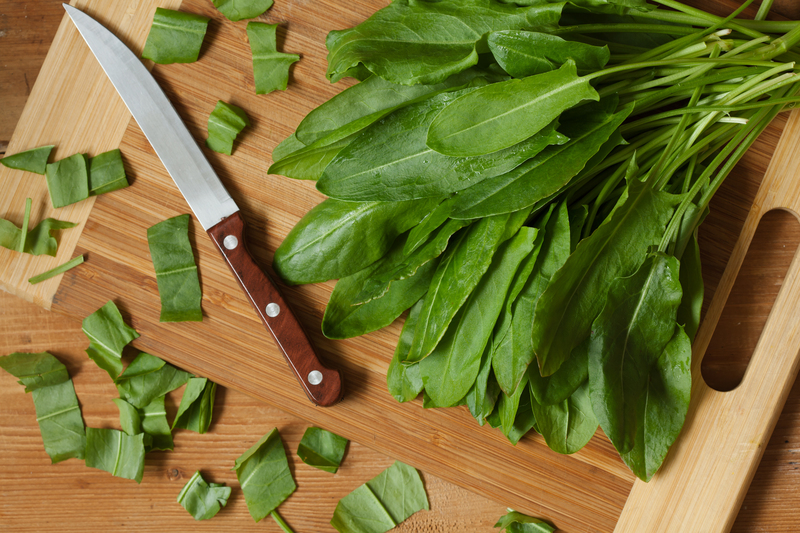
1. Mechanical and Manual Weed Control
One of the fundamental approaches to weed removal is through mechanical and manual methods. This involves physically removing weeds using hand tools, machinery, or simple hand-pulling. _Manual weeding_ remains the most environmentally friendly and precise weed management technique.
How to Hand-Pull Weeds Correctly
- _Moisten soil_ before pulling--wet soil makes it easier to remove the entire root system.
- _Grab the weed low_ to the ground, as close to the roots as possible.
- _Remove the main root or taproot_. Some weeds, especially perennials like dandelions, regrow from root fragments.
- _Dispose of weeds properly_ to avoid reseeding. Do not add seeding weeds to compost piles.
Manual removal is ideal for small gardens, planting beds, or areas where chemical use is not desirable. For larger infestations, mechanical cultivation the use of hoes, weeders, or motorized tillers can be more efficient. However, repeated tilling can encourage dormant weed seeds to sprout, so use with caution.
Mulching: Nature's Weed Barrier
Mulch is a powerful ally in the fight against weeds. By covering exposed soil with organic mulch (such as wood chips, straw, or compost) or inorganic mulch (such as landscape fabric or plastic), you:
- _Block sunlight_ so weed seeds cannot germinate
- _Retain soil moisture_ and regulate temperature
- _Improve soil health_ if using organic mulch, as it breaks down over time
- _Reduce weed growth_ by creating a physical barrier
**Tip:** Apply a 2-4 inch layer of mulch around plants and renew it annually. Make sure to keep mulch a few inches away from plant stems to prevent rot and disease.
Flame Weeding and Solarization
For walkways, driveways, or unplanted areas, consider flame weeding or soil solarization:
- Flame Weeding: Uses a torch to briefly expose weeds to intense heat. Ideal for annual weeds but should be used safely and avoided during dry, fire-prone conditions.
- Soil Solarization: Involves covering soil with clear plastic during the hottest weeks of summer. The heat kills weed seeds, pathogens, and pests in the top few inches of soil.
2. Chemical Weed Control: Proper Use of Herbicides
Despite the rising trend of organic gardening, chemical weed control remains an essential weed management tool--particularly for large or stubborn infestations. Selecting and applying the right herbicide is vital for effective weed control while minimizing risks to desired plants, pets, and people.
Types of Herbicides for Weed Management
- Pre-emergent Herbicides: Prevent weed seeds from germinating. Apply before weeds appear, usually in early spring or fall. Ideal for lawns, flower beds, and pathways.
- Post-emergent Herbicides: Attack existing weeds above ground. These come in selective (targeting specific weeds) and non-selective (killing all vegetation) formulas.
- Systemic Herbicides: Absorbed into plant tissues and kill the weed from the inside out--crucial for perennial weeds.
- Contact Herbicides: Damage only the tissues they touch; best for annual weeds.
How to Use Herbicides for Best Results
- _Read and follow label directions carefully_. The wrong application can harm your lawn or desired plants.
- _Target the correct weed type._ Use selective herbicides for broadleaf or grassy weeds as needed.
- _Apply during optimal weather._ Calm, dry days prevent drift to non-target plants & ensure effectiveness.
- _Wear protective clothing_ to avoid skin or eye irritation.
- _Store chemicals securely_ away from children, pets, and wildlife.
*Note:* While effective, chemical weed control should be part of an integrated weed management plan and not the sole strategy. Overuse can lead to herbicide-resistant weeds and environmental harm.
3. Preventative Strategies: Outcompeting and Smothering Weeds
The best way to control weeds is to prevent them from becoming established in the first place. Proactive cultural and preventative strategies create an environment where weeds struggle to gain a foothold, saving you significant labor in the future.
Crowd Out Weeds with Healthy Plantings
- Dense planting: Keep garden beds and lawns thick with desired plants. This shades soil and limits weed seed germination.
- Use ground covers: Low-growing ground covers, such as creeping thyme, vinca, or clover, compete intensely with weeds for resources.
- Overseed lawns: Fill bare spots to prevent weed seeds from taking hold.
Maintain Soil Health and Fertility
Healthy soil leads to robust plants that naturally outcompete weeds. Follow these tips for productive, weed-resistant soil:
- Test soil and balance nutrients for your specific plants.
- Amend with compost or organic matter to foster strong root systems.
- Water efficiently so desired plants--not weeds--benefit the most.
- Use crop rotation and cover crops in vegetable beds to disrupt weed cycles.
Strategic Watering and Fertilization
- _Water deeply and infrequently_. Shallow watering favors shallow-rooted weeds.
- _Fertilize only where needed_. Avoid broadcast fertilization, which can feed weeds between plants.
Install Physical Barriers
- Landscape fabric: Place under mulch to provide an extra layer of weed suppression for paths and beds.
- Edging materials: Prevent grassy and creeping weeds from invading flower beds or vegetable gardens.
Bonus Tips for Effective Weed Management
- Regular inspection: Scout your yard or garden weekly for new weed growth. Early action prevents large infestations.
- Avoid allowing weeds to set seed: Even if you can't remove weeds immediately, cut off flowers or seed heads to stop their spread.
- Rotate your strategies: Combining chemical, manual, and preventive methods yields the best long-term results.
Common Mistakes to Avoid in Weed Control
- Ignoring weeds until they are out of control
- Improper mulching or letting mulch get thin
- Using broad-spectrum herbicides near desired plants
- Over-cultivating soil and bringing new weed seeds to the surface
- Watering and fertilizing indiscriminately
Conclusion: Choose the Right Weed Control for Your Needs
Weed control doesn't have to be overwhelming. By incorporating these three proven weed management strategies--manual and mechanical removal, responsible herbicide use, and proactive prevention--you can maintain a lush, healthy, and weed-free landscape.
The most effective weed control method often involves a combination tailored to your space, weed species, and personal values regarding synthetic chemicals. Stay vigilant, adapt your practices to the seasons, and enjoy the rewards of a thriving garden or lawn.
If you are interested in learning more tips for prevention and weed removal, or want recommendations for the best products and tools, be sure to subscribe to our newsletter and explore our additional gardening resources.
Frequently Asked Questions (FAQs)
- Q: How often should I weed my garden?
A: Regular weeding every 1-2 weeks is ideal, especially during the growing season. The sooner you remove new weeds, the less energy they have to spread or reproduce. - Q: Are natural or organic weed killers effective?
A: Some natural products (such as vinegar or boiling water) can control small, annual weeds but may require repeated applications. Always target young or shallow-rooted weeds for best results. - Q: What is the best time of year for mulching?
A: Early spring and late fall are optimal for applying mulch, as soil is generally moist and weed seeds have not yet germinated. - Q: Can I use newspaper or cardboard for mulching?
A: Yes! Smother unwanted weed patches by layering several sheets of newspaper or cardboard under mulch. Avoid glossy, colored inks and remove tape or staples.
Take the First Step to a Beautiful, Weed-Free Landscape Today
Implementing these effective weed control strategies will transform your garden or lawn from a battleground to a showcase. Consistency, knowledge, and a proactive approach are your greatest assets in winning the war against weeds. Happy gardening!
Latest Posts
Discover 9 Robust Hedges for Enhanced Privacy
Designing Engaging and Safe Spaces for Kids in the Garden
Secrets to a Thriving Garden: 9 Beginner Tips You Need
Creative Solutions for Tackling Strong Winds in Garden Spaces