
 020 3744 3778
Gardening as a Powerful Ally in Combating Climate Change
Posted on 18/08/2025
Gardening as a Powerful Ally in Combating Climate Change
Climate change is one of the most pressing issues of our time, threatening ecosystems, communities, and economies worldwide. While it may seem difficult for individuals to make a significant difference, one powerful and accessible tool lies just outside our doors: gardening. From urban rooftops to suburban backyards, gardening can play a crucial role in mitigating the impact of climate change. This comprehensive article explores how every gardener can become a climate hero and how gardening serves as a valuable ally in our quest to create a sustainable future.
Understanding the Link Between Gardening and Climate Change
Before delving into actionable solutions, it's essential to understand how climate change and gardening intersect. Climate change primarily results from excess greenhouse gases--such as carbon dioxide and methane--entering our atmosphere, mostly through burning fossil fuels and deforestation. These gases trap heat, causing rising global temperatures, unpredictable weather, and shifts in our planet's delicate balance.
Gardening, in its many forms, offers multiple mechanisms for sequestering carbon, reducing emissions, and fostering resilient local ecosystems. A well-planned garden can act as a carbon sink, support pollinators, conserve water, and even reduce personal food miles. In short, every garden, no matter the size, can have a meaningful impact on the climate crisis.
Key Benefits of Gardening for Climate Action
- Carbon Sequestration: Plants absorb carbon dioxide through photosynthesis, storing carbon in their tissues and the soil.
- Habitat Restoration: Gardens provide essential habitats for pollinators and wildlife, supporting urban biodiversity.
- Food Security: Growing food at home reduces reliance on industrial agriculture--which is a major greenhouse gas emitter.
- Water Conservation: Sustainable gardening techniques help retain soil moisture and reduce runoff.
- Microclimate Regulation: Vegetation cools our immediate environment, reducing the urban heat island effect.
- Waste Reduction: Home composting turns organic waste into valuable soil instead of methane-producing landfill material.
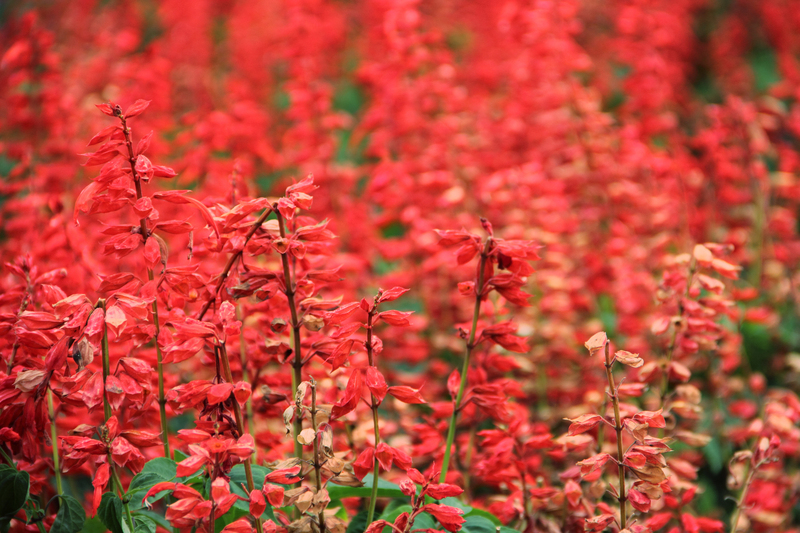
How Gardening Directly Combats Climate Change
Let's break down the specific ways in which gardening fights climate change--and how you can make the most of these benefits in your own green space.
1. Soil as a Carbon Sink
Garden soils are invaluable in the battle against greenhouse gases. Healthy soil, rich in organic matter, can sequester large amounts of carbon. When you cultivate your garden using methods that preserve and build up organic content--such as adding compost or practicing no-dig gardening--you help lock atmospheric carbon underground for the long term.
- Add compost: Composting household scraps creates nutrient-rich humus, improving soil health and increasing its carbon storage capacity.
- Plant cover crops: These "green manures" prevent soil erosion, fix nitrogen, and further boost carbon content in soil.
- Avoid chemical fertilizers: These degrade soil health; use organic amendments instead.
2. Reducing Urban Heat Islands
Urban areas are infamous for retaining heat, a phenomenon known as the urban heat island effect. Hard surfaces like concrete absorb sunlight and radiate it back into the atmosphere. Gardens, lawns, and green roofs help cool these spaces, not only making cities more pleasant but also reducing the energy demand (and emissions) from air conditioning.
- Plant trees: Shade trees can significantly drop the temperature around homes and city streets.
- Establish pollinator gardens: These improve urban biodiversity and keep soils cool through dense, continuous plant cover.
- Install green roofs: Rooftop gardens insulate buildings against heat and cold, lowering energy use year-round.
3. Supporting Pollinators and Biodiversity
Climate change and habitat loss threaten the insects, birds, and mammals essential for ecosystem health. Gardening for wildlife restores corridors and feeding grounds, boosting biodiversity and strengthening the ecological networks that help buffer against climate shocks.
- Grow native plants: Local species support more pollinators and require less water and care.
- Create a layered habitat: Include trees, shrubs, flowers, and ground covers for diverse shelter and food sources.
- Build water features: Even a small birdbath supports local animal life.
4. Growing Food Locally Reduces Emissions
Much of the food found in supermarkets travels thousands of miles from field to plate, generating enormous emissions from transport, refrigeration, and packaging. Edible gardening slashes these food miles to zero--while providing fresh, chemical-free produce and enhancing food security.
- Plant fruits and vegetables: Even a few square feet can yield a surprising amount of food.
- Embrace vertical gardening: Grow up as well as out, maximizing small urban spaces for culinary crops.
- Practice succession planting: Stagger crops for multiple harvests and consistent biodiversity.
5. Composting: Closing the Loop
Food and yard waste that ends up in landfill generates methane, a greenhouse gas far more potent than CO2. Home composting transforms this waste into rich soil, keeping carbon in the ground and out of the air. A garden that recycles its own nutrients has a much lower carbon footprint.
- Build a simple compost bin using repurposed materials or invest in a rotating composter for quick results.
- Compost everything from fruit peels to shredded paper: Just avoid meat and dairy, which attract pests.
- Use finished compost to increase soil structure, moisture retention, and overall plant health.
Climate-Friendly Gardening Practices for Every Gardener
Whether you're a beginner with a few pots on a balcony or an experienced gardener with sprawling beds, adopting climate-conscious gardening methods is easier than you think. Here are actionable practices to make your green space work for both you and the planet:
Choose Climate-Resilient Plants
- Native species: These are adapted to your local climate and support greater biodiversity.
- Drought-tolerant varieties: Reduce reliance on irrigation while remaining productive and beautiful.
- Perennials over annuals: Perennials require less tilling and soil disturbance, offering ongoing carbon capture.
Go Organic: Skip Synthetic Chemicals
Chemical pesticides and fertilizers not only damage soils and waterways but their manufacture and application are energy-intensive. Embrace organic strategies for healthier plants and a healthier planet.
- Use companion planting to repel pests naturally.
- Encourage beneficial insects, such as ladybugs and lacewings.
- Apply organic mulch or compost instead of chemical fertilizers.
Save Water with Smarter Irrigation
With water scarcity exacerbated by climate change, wise water use is critical. Efficient irrigation methods not only aid plant health but also reduce the garden's overall environmental impact.
- Install drip irrigation: Delivers water directly to roots, minimizing evaporation.
- Mulch beds: Organic mulch retains soil moisture and keeps roots cool.
- Harvest rainwater: Use barrels or cisterns to collect and repurpose rainfall for garden use.
Encourage Biological Diversity
Diverse gardens are more resilient to both pests and climate stressors. By actively increasing plant and insect diversity, your garden rebounds more quickly from extreme weather or disease outbreaks.
- Mix flower shapes, sizes, and blooming times: This provides continuous food for pollinators.
- Add habitat features: Install logs, stones, or brush piles for wildlife shelter.
- Integrate edible landscaping: Blend food crops with ornamentals for beauty and productivity.
Urban Gardening: A Climate Solution for Cities
With urban populations booming, city gardens are increasingly crucial for both human well-being and the climate. Rooftop gardens, community plots, balcony planters, and even living walls can be powerful tools in cooling cities, absorbing pollution, and providing fresh food to those with limited space.
Community Impact: Beyond Individual Plots
Community gardens foster local connections, support food security, and inspire sustainable habits throughout neighborhoods. Cities that encourage green spaces see benefits including:
- Improved air quality as plants filter pollutants.
- Greater social resilience during climate emergencies (like heat waves or floods) due to community networks.
- Greener infrastructure that absorbs stormwater and reduces flooding risk.
Gardening as an Educational Tool for Climate Awareness
Beyond their environmental impact, gardens are living classrooms for climate education. Children and adults alike learn--hands-on--about ecosystems, seasonal cycles, water conservation, and the importance of soil health. Teaching climate sustainability through gardening empowers future generations to be stewards of the land.
Schools, community centers, and parks can incorporate gardens to demonstrate sustainable practices and foster a sense of responsibility toward our planet.

Challenges and Solutions: Making Gardening More Effective for the Climate
While the benefits of gardening in combating climate change are substantial, there are challenges to address:
- Access: Not everyone has space, time, or resources to garden; solutions include container gardening, vertical gardens, and shared or community spaces.
- Invasive species: Cultivating non-native plants can sometimes threaten local ecosystems; always research suitable local species.
- Pesticide drift: Even organic gardens may be affected by chemicals used nearby; advocate for city and neighborhood policies that protect green spaces.
- Knowledge gaps: Many would-be gardeners simply lack information; local workshops, online guides, and community mentors can fill these gaps.
Innovative Techniques and the Future of Climate-Smart Gardening
Modern technology and traditional wisdom are combining to make gardening even more potent in the climate battle:
- Permaculture design: Permanent, self-sustaining gardens that mimic natural systems.
- Biochar: Charred plant matter added to soil for long-term carbon storage and soil enhancement.
- Hydroponics and aquaponics: Soilless systems use up to 90% less water, often in urban environments.
- Smart sensors: Automated systems control water and nutrient delivery, optimizing resource use.
Conclusion: A Greener Future, One Garden at a Time
Gardening truly is a powerful ally in combating climate change. By capturing carbon, supporting biodiversity, conserving water, and reducing emissions, every home, school, and community garden makes a real difference. When multiplied across neighborhoods, cities, and nations, even small gardening efforts add up to vast collective climate action.
Start today: Dig a bed, plant a tree, start a compost pile, or join a community garden. You'll be contributing not only to a healthier environment and climate, but also to happier, more resilient communities. Together, through the simple act of gardening, we can cultivate a better, cooler, and more sustainable world.
Ready to make your garden a climate hero? Every seed sown is a step toward a greener tomorrow.
Latest Posts
Discover 9 Robust Hedges for Enhanced Privacy
Designing Engaging and Safe Spaces for Kids in the Garden
Secrets to a Thriving Garden: 9 Beginner Tips You Need
Creative Solutions for Tackling Strong Winds in Garden Spaces