
 020 3744 3778
Secrets to a Thriving Garden: 9 Beginner Tips You Need
Posted on 19/09/2025
Secrets to a Thriving Garden: 9 Beginner Tips You Need
If you're dreaming of lush green foliage, colorful blooms, and a backyard oasis, you're not alone! Gardening is a rewarding hobby that brings beauty, tranquility, and even fresh produce into your life. But how do you start and maintain a healthy, thriving garden that makes you proud? Whether it's your very first plot or you're reviving an old flower bed, these nine essential gardening tips are your keys to success. Discover the secrets to a garden that bursts with life, and avoid common pitfalls that frustrate beginners.
Why Strive for a Thriving Garden?
A flourishing garden offers more than just beautiful scenery. You'll enjoy fresh air, relaxation, and nourishment for local wildlife--and for your soul. With the right approach, keeping your garden alive and productive is easier than you think. Let's unveil the proven strategies every new gardener should know, ensuring your garden thrives from day one.
Essential Gardening Tips for Beginners
Before you grab your trowel and seed packets, let's explore nine actionable gardening secrets that will transform your green space.
1. Choose the Right Location
Sunlight is the lifeblood of your garden. The first step to a vibrant landscape is site selection. Most edible plants and flowers require at least 6-8 hours of direct sun daily. Here's how to find the perfect spot:
- Observe your yard throughout the day, noting where the sun lands the longest.
- Notice shaded areas under trees or buildings--these are best for shade-loving plants.
- Consider wind direction and natural drainage patterns to avoid waterlogged soil.
Pro Tip: Some veggies, like leafy greens, tolerate a little shade, while tomatoes and peppers demand full sun.
2. Understand Your Soil
Healthy plants start with healthy soil. Each soil type--clay, sandy, loam or silt--retains water and nutrients differently. To grow a vigorous garden, take these steps:
- Test your soil using an inexpensive test kit or send a sample to your local extension service.
- Add organic matter like compost, well-rotted manure, or peat moss to enrich your soil's structure and fertility.
- Adjust pH as recommended; most plants thrive in slightly acidic to neutral conditions (pH 6-7).
Tip: Loose, crumbly soil supports robust root growth for a more productive garden.
3. Start Small and Plan Wisely
It's tempting to dream big, but new gardeners benefit from manageable plots. Design your gardening journey for success:
- Start with a few raised beds or a container garden to limit weeding and make soil improvement easier.
- Sketch your layout, considering plant spacing and future growth size to avoid overcrowding.
- Choose quick-growing, reliable crops for beginners, such as lettuce, radishes, marigolds, or zinnias.
Remember: A well-planned small garden will produce more (and look better!) than an overwhelming, sprawling patch.
4. Water Wisely and Consistently
Watering is crucial for vibrant plants, but too much or too little can spell trouble. Here's how to perfect your garden's watering routine:
- Check soil moisture with your finger--a dry top layer means it's time to water, but soggy soil can cause root rot.
- Water early in the morning to minimize evaporation and help prevent fungal diseases.
- Use mulch to help soil retain moisture and reduce watering frequency.
Smart watering = strong roots and consistently healthy growth.
5. Feed for Growth: Fertilizing Basics
Plants need nutrients to develop lush leaves and blooms. Unlock their full potential by:
- Applying a balanced, slow-release fertilizer at planting time and as needed through the season.
- Using compost or organic fertilizers, which improve soil life and structure naturally.
- Following package instructions--over-fertilizing can burn plants and harm the environment.
Pro Tip: Regular feeding creates the foundation for a resilient and productive garden.
6. Mulch--and Keep Weeds at Bay
Mulching is a beginner's secret weapon. A 2-3 inch layer of mulch (bark, straw, or shredded leaves) offers multiple benefits:
- Suppresses weeds by limiting sunlight to unwanted seedlings.
- Conserves soil moisture and regulates soil temperature.
- Adds organic matter to the soil as it breaks down.
Tip: Replenish your mulch yearly for a clean, professional look and maximum benefit.
7. Plant Selection: Pick Winners for Beginners
Not all plants are created equal for new gardeners. Choosing easy-to-grow, disease-resistant varieties ensures early (and confidence-boosting) success. Some great starter choices include:
- Vegetables: Salad greens, peas, beans, radishes, and cherry tomatoes.
- Herbs: Basil, parsley, chives, and mint.
- Flowers: Sunflowers, marigolds, nasturtiums, and calendula.
Hint: Native plants are often more resilient and easier to manage for beginners.
8. Monitor Pests and Diseases Early
Even a small garden can attract insects and illnesses that threaten your plants. Keep problems under control with these beginner-friendly habits:
- Inspect your garden every few days for signs of holes, spots, wilting, or sticky residue.
- Hand-pick pests or use organic solutions like neem oil or insecticidal soap.
- Remove diseased leaves and avoid watering the foliage.
Proactive care means less damage and a thriving outdoor space.
9. Learn, Observe, and Enjoy the Process
Gardening is a journey, not a race. Take time to appreciate your progress, celebrate small achievements, and learn from setbacks. Practice these mindful gardening essentials:
- Keep a journal to track what you plant, where, and how each variety performs.
- Photograph your garden's growth--season to season--to see improvements and solve problems.
- Ask local gardeners or visit garden centers for advice on region-specific best practices.
Patience and observation lead to lasting success and ever-better results each year.
Popular Gardening Mistakes to Avoid
Even the best gardens can suffer if you skip crucial steps. As you put these secrets to a thriving garden into practice, keep these common errors in mind:
- Planting too early or late for your local climate.
- Ignoring soil quality and drainage.
- Overwatering or underwatering plants.
- Choosing advanced or fussy plant varieties initially.
- Neglecting weed and pest control until it's too late.
Avoiding these pitfalls will help your garden reach its full potential faster!
How to Maintain a Healthy Garden Year After Year
Garden maintenance is an ongoing journey. These best practices help your green space flourish as a beginner and beyond:
- Rotate crops each season to prevent pest and disease buildup.
- Prune and deadhead flowers to encourage more blooms and healthier growth.
- Enrich your soil with compost every year.
- Invest in sturdy, comfortable gardening tools to make tasks more enjoyable.
- Stay curious: Attend workshops, join local gardening groups, or read up on new varieties and techniques.
The true secret to a thriving garden is continual learning and attentive care.
Bonus: Gardening for Small Spaces
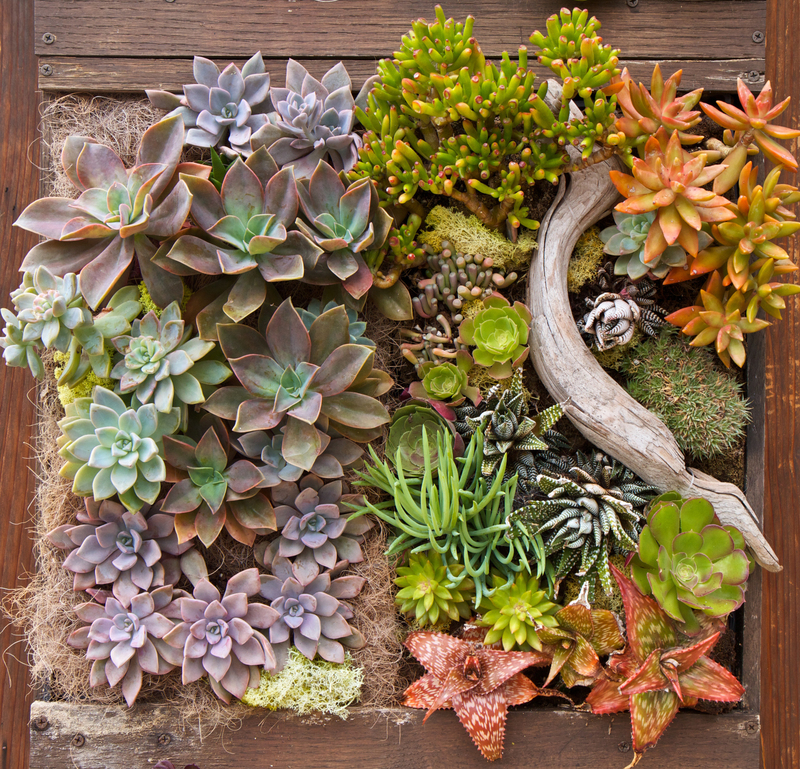
No backyard? No problem. Container gardening and vertical gardens maximize limited space and are perfect for beginners. Use pots, hanging baskets, and even trellises to cultivate herbs, flowers, and veggies on patios, balconies, or rooftops. Choose compact plant varieties, ensure proper drainage, and remember: quality soil is key even in small settings!
Conclusion: Let Your Garden Thrive!
With these 9 gardening tips for beginners, you'll establish a healthy, productive garden--no matter your experience or space. From proper planning and soil care to plant selection and consistent attention, every step unlocks a new level of success. Now, put on your gloves, grab your seeds, and watch your outdoor oasis come to life. Happy gardening!
Frequently Asked Questions
- What is the best month to start a garden? - Most regions suggest early spring after the last frost, but check your local planting calendar for specifics.
- How often should I water my garden? - Most gardens need about 1 inch of water weekly, but adjust for rain and soil type.
- What plants grow best for beginners? - Try lettuce, beans, marigolds, sunflowers, and herbs like basil and parsley.
- Do I need special tools? - Start with basics: gloves, shovel, watering can, pruners, and a trowel.
- How can I make my garden eco-friendly? - Use organic fertilizers, conserve water, and choose native plants for a sustainable impact.
Ready to unveil the secrets of a thriving garden? Every master gardener started as a beginner--just like you. With these expert-backed tips, your landscape will soon be a source of pride, joy, and abundant growth. Let your gardening adventure begin today!
Latest Posts
Discover 9 Robust Hedges for Enhanced Privacy
Designing Engaging and Safe Spaces for Kids in the Garden
Secrets to a Thriving Garden: 9 Beginner Tips You Need
Creative Solutions for Tackling Strong Winds in Garden Spaces